

Bloomfell Lifestyle Brand
Bloomfell originated from the idea of creating an earthy yet bold lifestyle brand, starting with apparel. The cornerstones of the design are authenticity, humor, and reflecting personal identity through clothing. The primary target audience consists of adventurous women aged 20-40 who approach life with curiosity and an open mind.
Duoable’s founder Sari has a bachelor’s degree in industrial design, which is reflected in a dedicated focus on the comprehensive design of product-driven brands. The project highlights the possibilities of artificial intelligence both as an aid in illustration design and in realizing a visual world, placing vision and curation at the forefront.
Project Scope
- Visual identity
- AI-assisted lifestyle imagery
- Theme and collection design
- Illustration creation
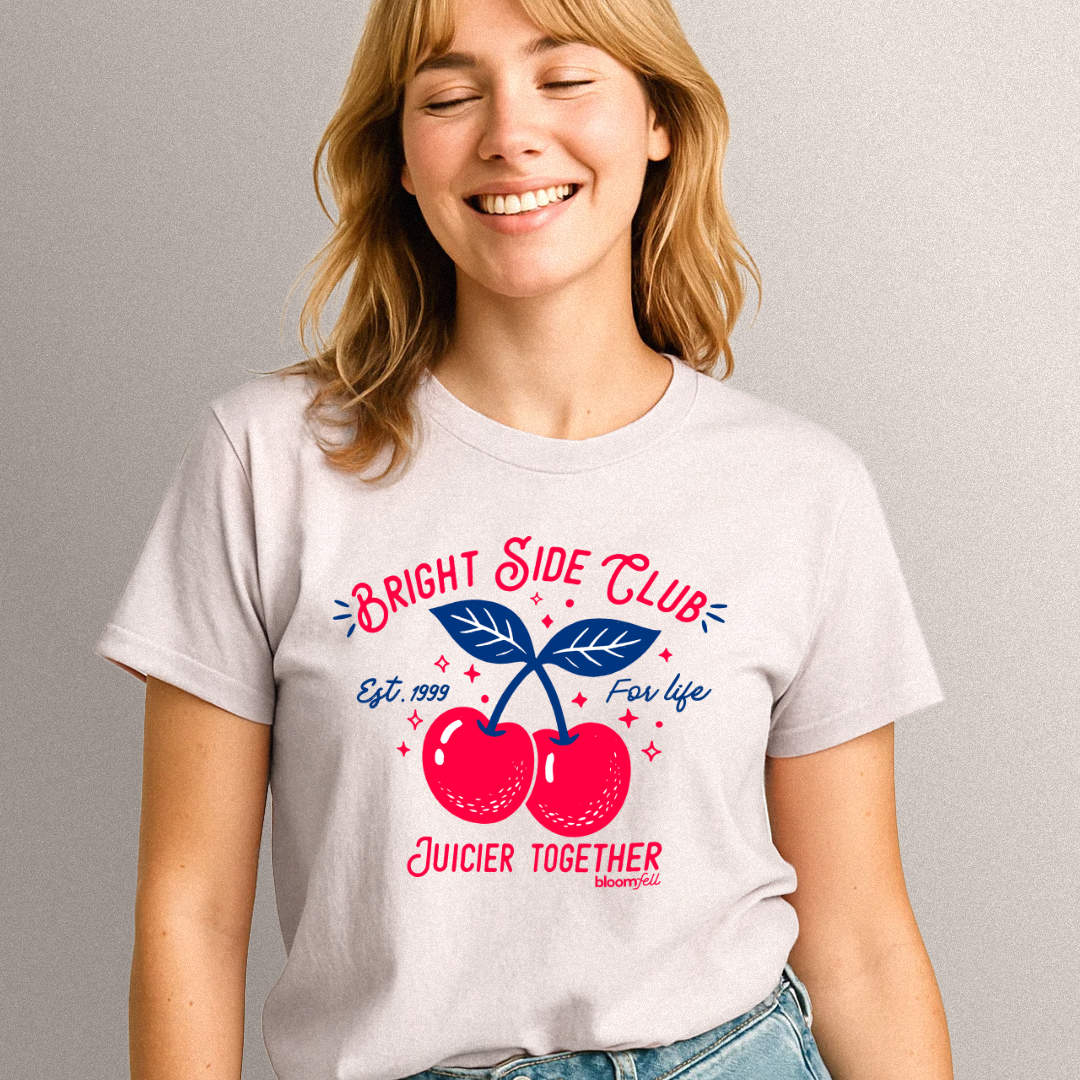
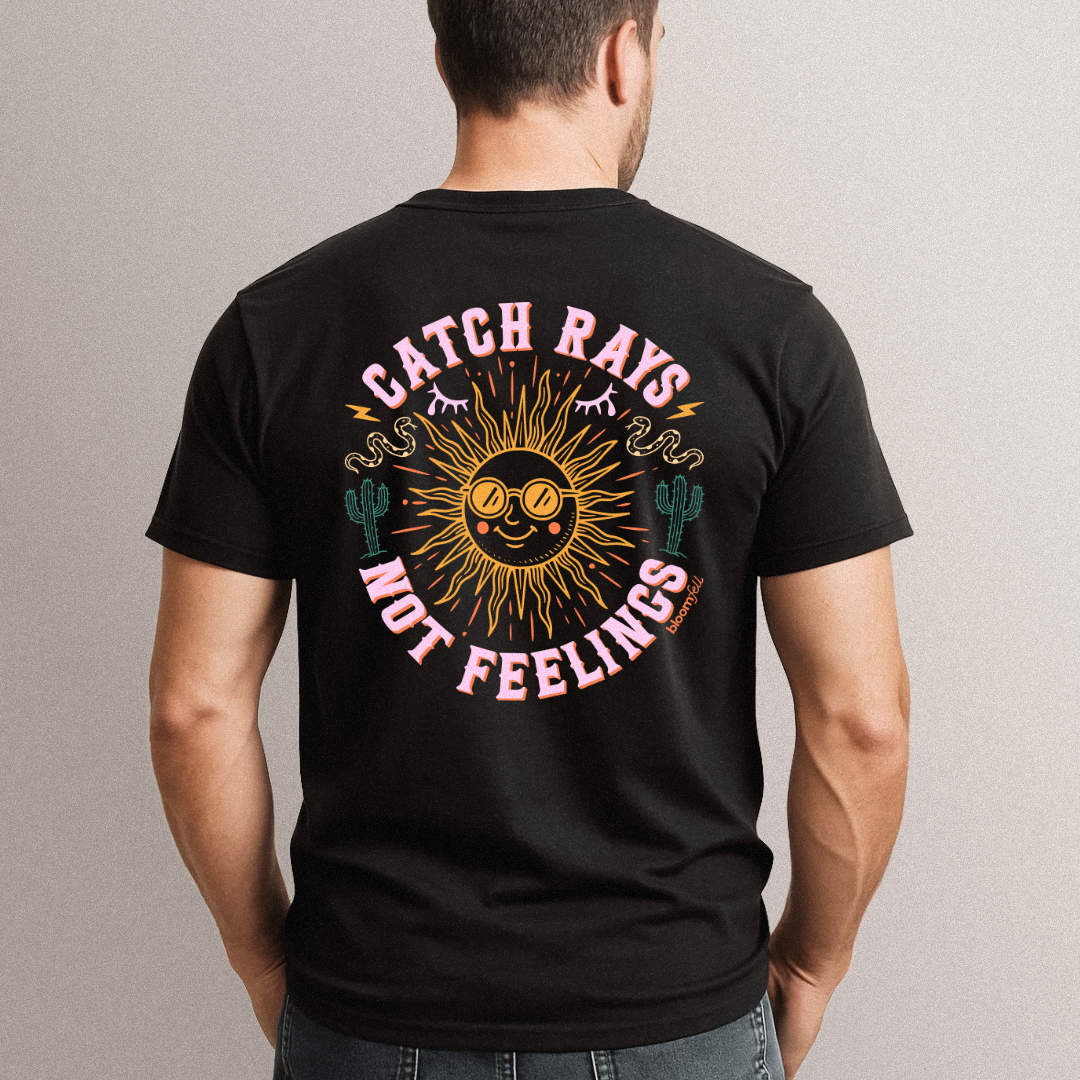
AI as a Tool in Brand Building and Product Design
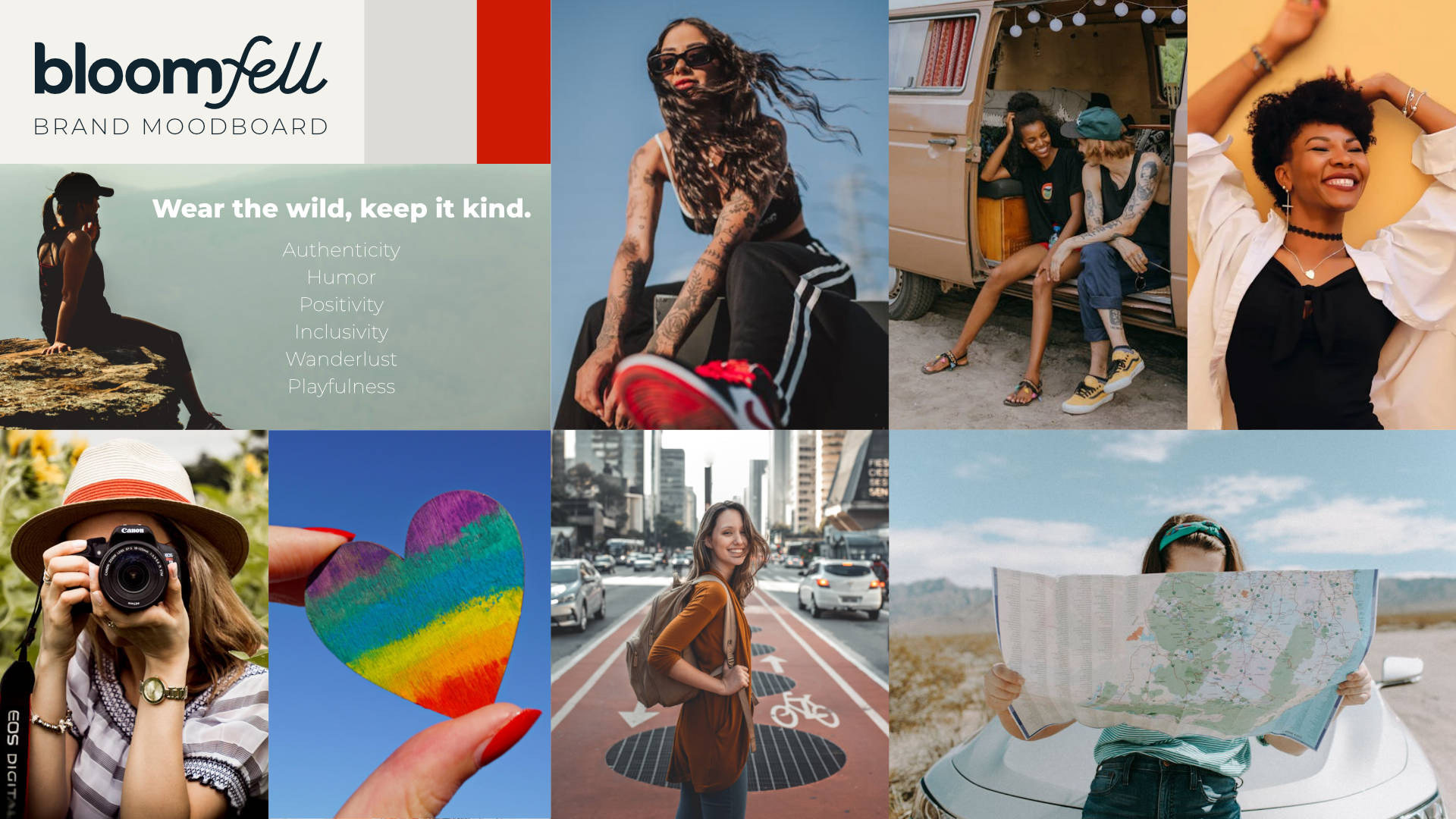
In the Bloomfell project, artificial intelligence played a significant role in building the brand’s overall identity. However, things still do not happen simply at the push of a button – AI is a modern tool that unlocks new possibilities. With it, I have been able to build the brand across multiple levels: developing product illustrations, exploring creative directions, creating marketing assets, and producing Americana-inspired lifestyle imagery for the products.
For a designer, AI enables focusing on what matters most: vision and insight. What story do I want the brand to tell, which target audience should it appeal to, and what mood should it evoke? AI challenges creative thinking – it prompts asking what is truly visually compelling, what sets the product apart from competitors, and what genuinely resonates with the customer’s values and lifestyle.
AI can produce endless raw material, but refining it into something authentic and meaningful still demands the designer’s vision, as well as the ability to edit, adjust, and specify. Anyone can generate content, but only deliberate, insightful curation transforms raw outputs into a strategic asset for brand development.
AI does not replace human creativity or design – it expands creative thinking and practical execution on a much wider scale. It removes technical barriers while placing greater value on what cannot yet be automated: intuition, aesthetic judgment, and the ability to construct a cohesive whole that feels genuine and resonates with people. Rather than clinging to old habits, my goal as a designer is to find the most effective solutions tailored to the project’s goals.
Demonstrating Image Generation in the Design Process
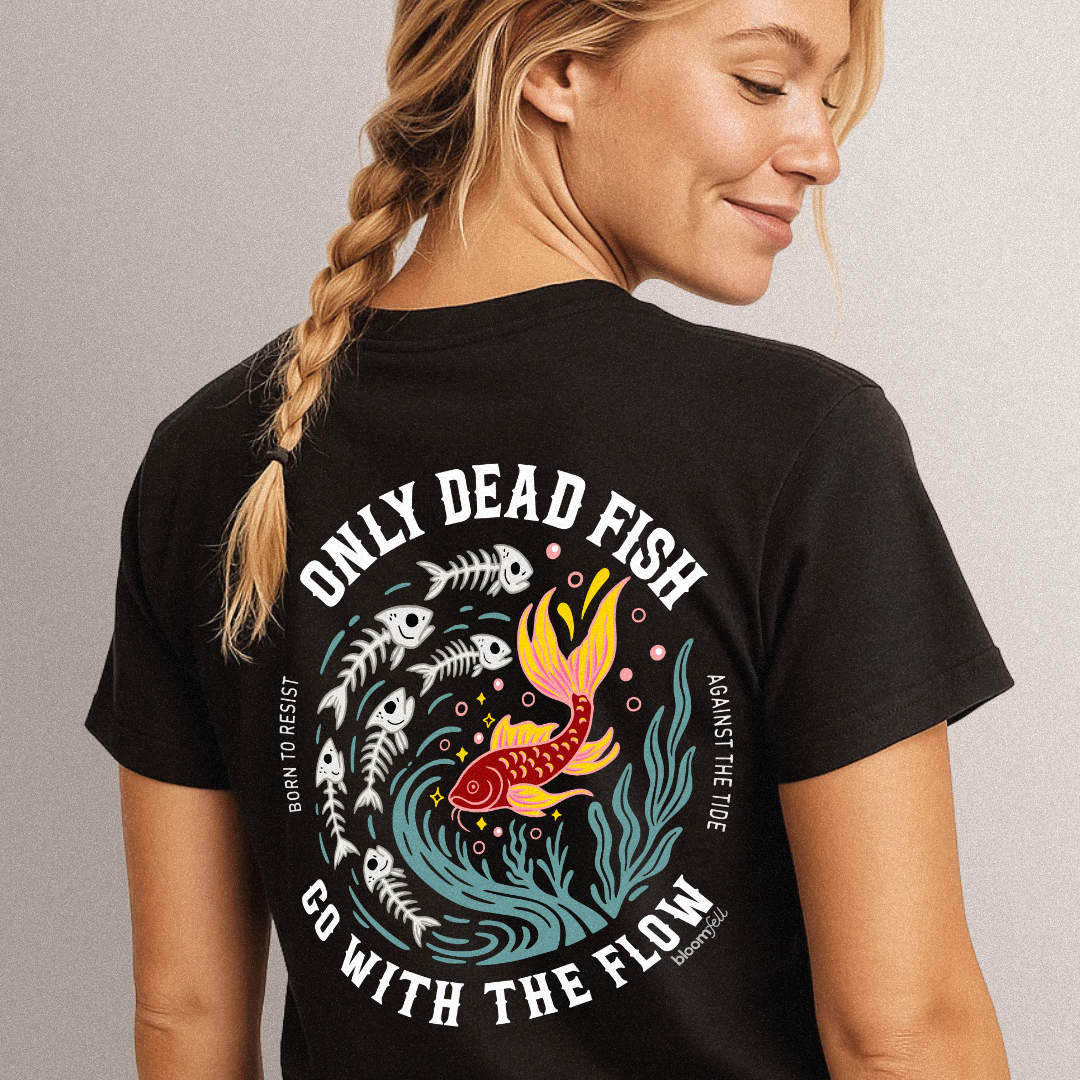
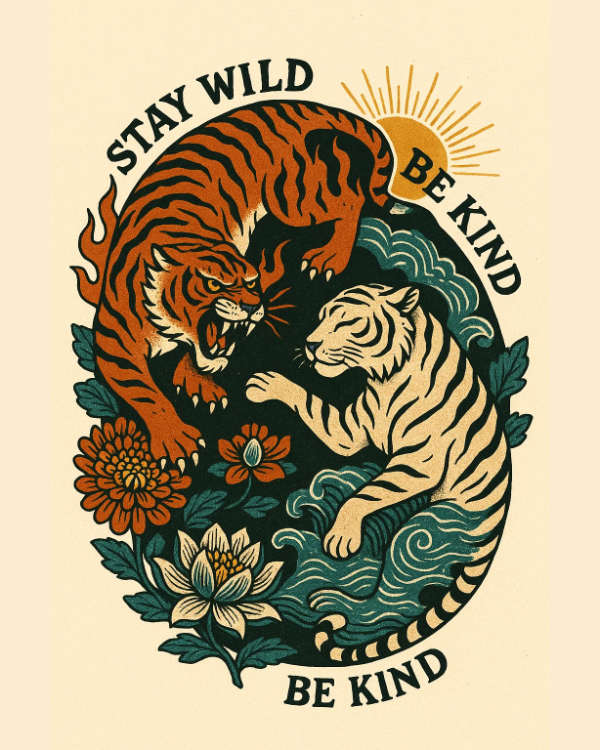
Unprocessed AI Image
AI image generation can provide direction when conceptualizing visual style and structuring different elements. However, it rarely produces an entirely unique or fully satisfactory result on its own, which is where professional design expertise comes into play.
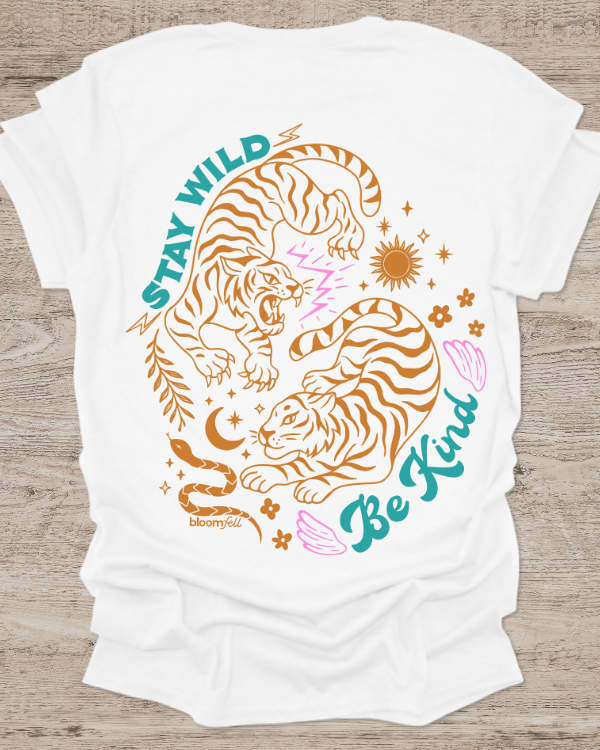
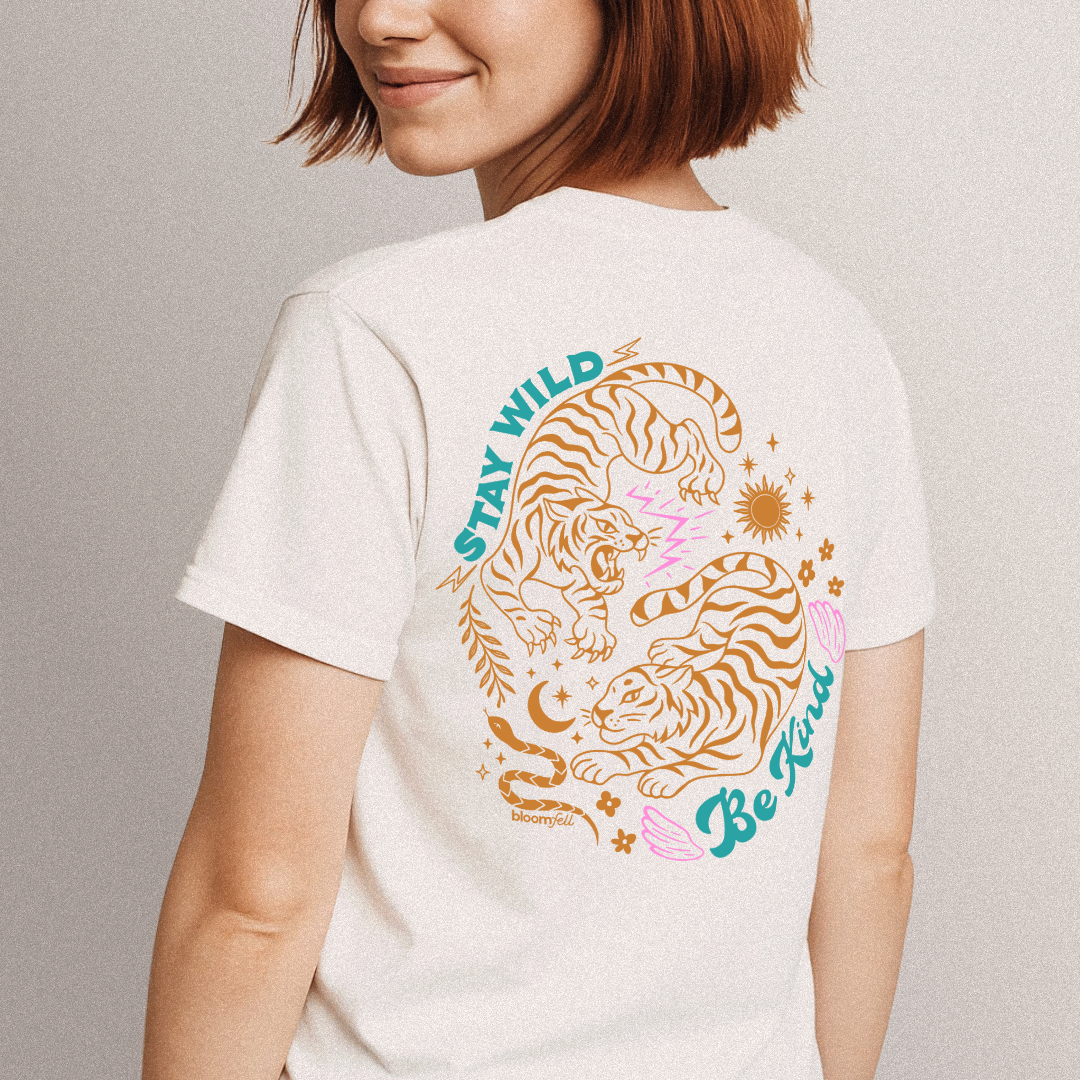
Designer-Crafted Final Result
I often use AI images as an initial starting point before moving into hands-on digital drawing and design software. This ensures the final artwork aligns precisely with the creative vision while reflecting a distinct, personal design touch.
Years of experience in hand-drawn illustration – alongside visual design expertise developed long before the era of generative AI – proves invaluable throughout this process. With solid fundamentals in place, AI becomes one creative tool among many rather than a shortcut. It has never produced a final asset on the first try; the workflow always requires iteration, testing alternatives, manual illustration, and detailed finishing.
This workflow is an ongoing dialogue with AI rather than a simple button press. As the designer, I provide the vision and narrative framework, while AI helps establish base structures that I shape and refine. The end result emerges from combining distinct layers, guided by experience and an artistic eye rather than algorithms alone.
When generating illustrations or lifestyle photography, having a clear understanding of the brand’s identity – and the story the visuals are meant to tell – is essential. Without a defined strategy and visual direction, outputs quickly become disjointed. Before generating imagery with AI, it is crucial to clarify the core brand parameters: target audience, desired atmosphere, and how the assets support the overall brand narrative.
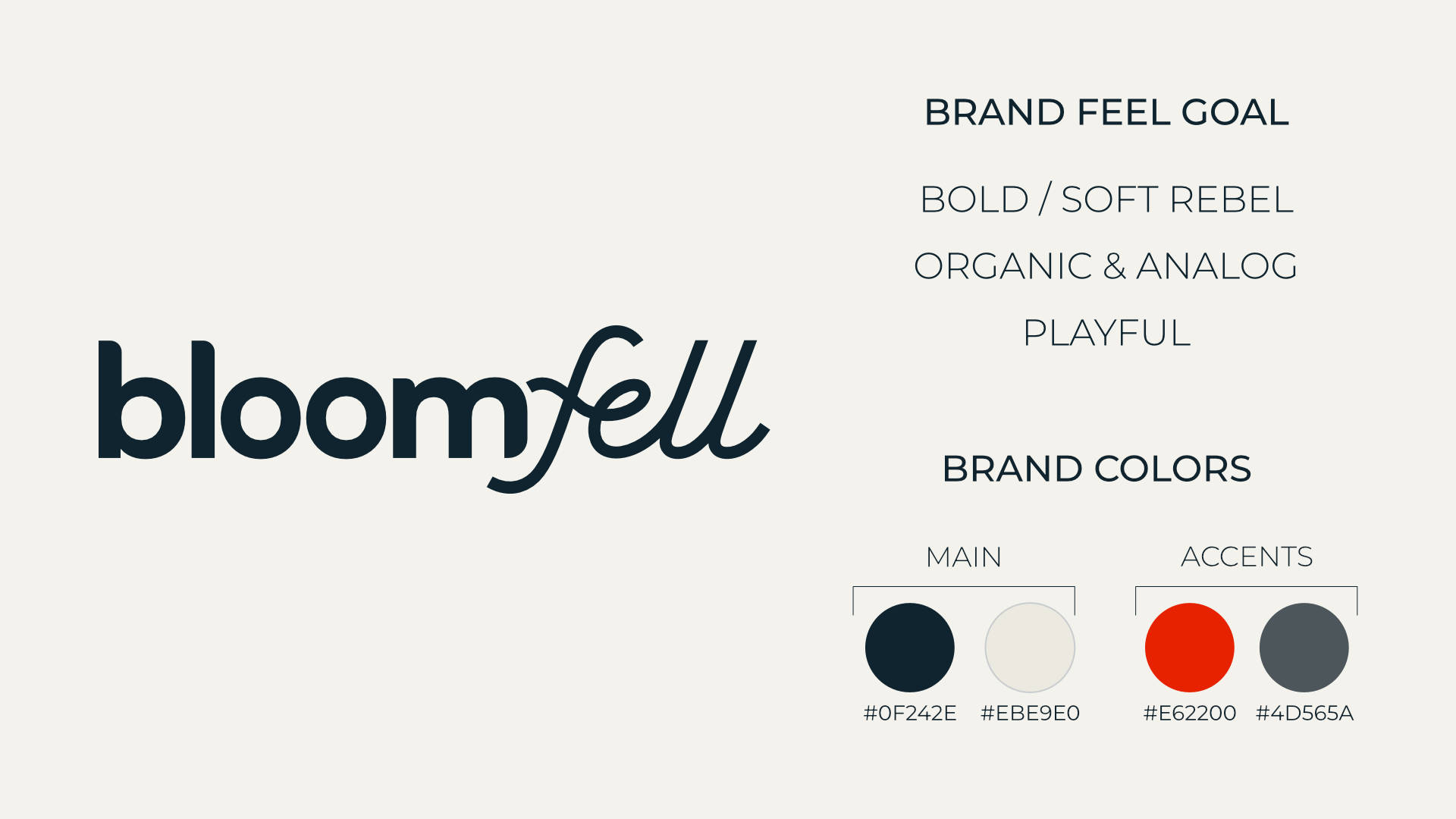
This includes establishing color palettes, moodboards, audience profiles, and tone. Knowing in advance whether to emphasize nature-inspired undertones, rugged grit, or subtle humor clarifies the role imagery plays in the brand story. Once these fundamentals are established, AI can be harnessed to create cohesive, bespoke brand imagery that would otherwise be exceptionally difficult to execute.
View other illustrations
